














Choosing a Dye Sublimation Printer: The Ultimate Guide for Custom Merch & Online Businesses
Estimated reading time: 8 minutes
Key Takeaways
- The right sublimation printer for custom merch can unlock opportunities in custom apparel, personalized décor, and unique gift items.
- Dye sublimation printing fuses ink at a molecular level to produce vibrant, durable prints that won’t crack or peel.
- Entry-level systems have low barriers to entry, making them ideal for small or online businesses getting started.
- A single sublimation setup allows you to explore multiple niches, from t-shirts to mugs and banners.
- Understanding heat pressing is crucial for best results – your print bonds permanently with polyester or polymer-coated surfaces.
Table of contents
Introduction
When choosing a dye sublimation printer for your custom merch venture, you’re making one of the most important decisions for your business success. The right sublimation printer for custom merch can unlock opportunities in custom polyester apparel, personalized home décor, and unique gift items that set your online business apart from competitors.
Dye sublimation is a special printing method where solid dye turns into gas and bonds permanently with polyester fibers or polymer-coated surfaces. This creates vibrant, durable prints that won’t crack, peel, or fade – even after many washes.
For small and online businesses, sublimation offers unmatched versatility. You can produce everything from custom t-shirts and throw pillows to mugs and trade show banners using the same core technology. This flexibility means you can test different product niches without buying separate equipment for each one.
This guide will walk you through everything you need to know about choosing a dye sublimation printer for your custom merch or online business. You’ll learn which features matter most, how to match printers with heat presses, and which bundles work best at different business stages.
Sublimation Printing
Sublimation printing works differently than other printing methods you might know. The process transfers solid dye directly into gas form, which then bonds with polyester fibers or polymer-coated substrates at the molecular level. This creates prints that become part of the fabric itself rather than sitting on top like a layer of ink.
Sublimation printing for custom merch transforms how you produce custom goods quickly and with high quality.
For additional insights on managing the heat pressing step in sublimation, explore the correct application of temperature, pressure, and time.
How sublimation compares to other methods:
- Inkjet/DTG printing: Ink sits on the surface and can feel stiff or crack over time
- Heat-transfer vinyl: Creates a thick layer that can peel away from fabric
- Sublimation: Becomes part of the material with virtually no texture or hand feel
The sublimation process works in simple steps:
- Print your design onto special transfer paper using sublimation inks
- Place the printed paper face-down on your polyester substrate
- Apply heat (180 – 200 °C) and pressure for 45 – 60 seconds
- The solid dye turns to gas and bonds permanently with the material
- Remove the paper to reveal a vibrant, permanent print
Because the dye becomes part of the fabric structure, it won’t crack, peel, or fade easily – even with regular washing and wear. This makes sublimation ideal for products that need to last, from sports uniforms to promotional apparel.
When selecting a dye-sub printer for small business, understanding these basics helps you appreciate why the technology commands certain price points and delivers superior results for custom merch applications. If you’re still deciding whether dye sublimation or DTF might be more appropriate for polyester garments, check out this helpful guide.
Why Sublimation Is Perfect for Custom Merch
Sublimation technology offers unique advantages that make it the preferred choice for many custom merch businesses.
Exceptional market flexibility is perhaps sublimation’s greatest strength. You can produce an incredibly diverse range of products including polyester apparel, throw pillows, coffee mugs, mousepads, phone cases, and even large-format trade show graphics. This versatility means you can serve multiple customer segments and test different product categories without investing in separate printing technologies.
Check out the 6 crucial factors for selecting your dye-sublimation printer, and dive deeper into what you need to know before making a purchase. For those aiming for industrial-grade solutions, see top dye-sublimation printers for high-volume, high-detail printing in the coming years.
Low barriers to entry make sublimation accessible even for beginners. Entry-level dye sublimation printers paired with manual heat presses offer an affordable starting point for new businesses. You can launch your operation with a relatively modest investment, then scale up as your order volume grows. Read more in the Top 6 Questions About Dye Sublimation Printers to further understand cost and technical details.
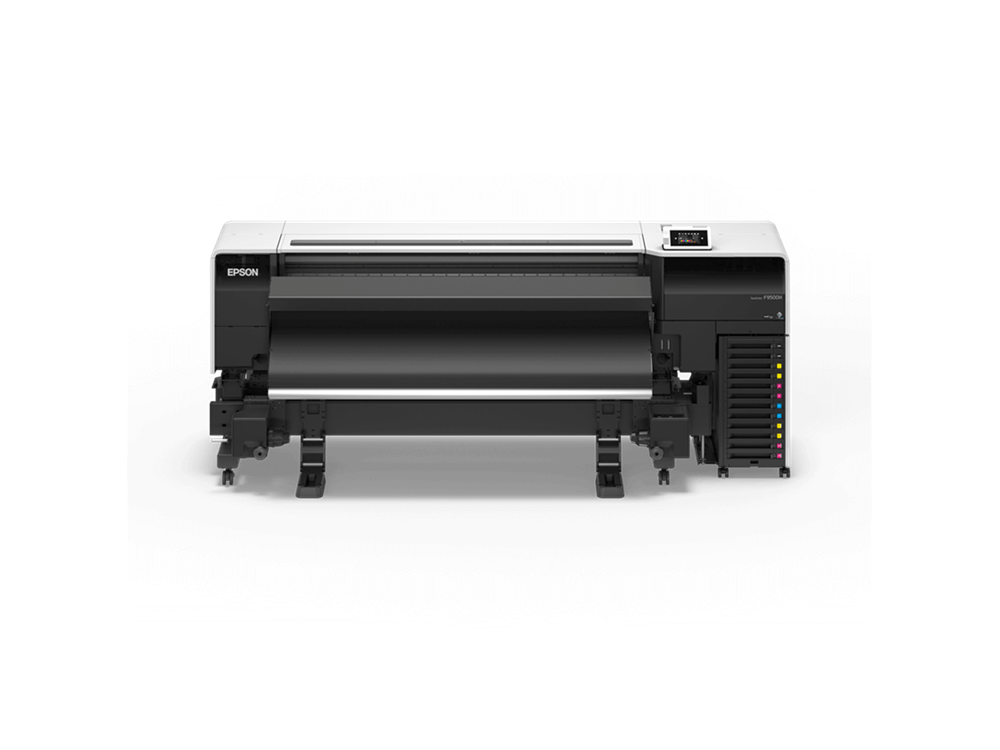
If you’re looking to expand production volume, take a look at top Epson large-format dye sublimation printers from small to large-scale factories. Testing multiple niches also becomes practical when you use sublimation technology: the same printer and press combination works for everything from baby onesies to yoga mats, letting you experiment with different product lines to find new revenue streams.
For an overview of different printing methods (including sublimation) to find the one best suited for your factory’s needs, see how to choose the right printing method for your factory.
Frequently Asked Questions
Q: Do I need special ink for dye sublimation printing?
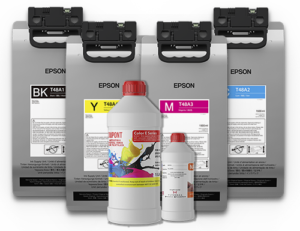
A: Yes. Sublimation ink is specifically formulated to turn into gas when exposed to heat. Using standard ink will not bond with polyester, so be sure to choose inks labeled for sublimation.
Q: Can I sublimate on cotton or other non-polyester fabrics?
A: Sublimation works best on polyester or polymer-coated surfaces. For cotton or blends, you might need an alternative process—or a specially treated surface designed for sublimation.
Q: What equipment is essential to start a sublimation custom merch business?
A: You’ll need a dye sublimation printer, sublimation inks, transfer paper, design software, and a heat press. Many entrepreneurs start with a smaller setup and upgrade as their business grows.