



















How to Add a Hybrid DTG on Screen Printing System to Your Automatic Carousel
Estimated reading time: 7 minutes
Key Takeaways
- Hybrid screen + DTG setups let you print opaque white underbases and full-color CMYK in one carousel.
- PLC handshakes ensure reliable communication between stations for smooth indexing.
- Registration must be dialed in carefully for consistent alignment across hundreds of prints.
- A proper retrofit checklist helps you avoid costly mistakes before investing in new equipment.
- The combined approach maximizes productivity and expands creative possibilities.
Introduction & Overview
If you’re already running a screen printing carousel and want to add digital printing without replacing your entire setup, the most logical upgrade today is a hybrid system – integrating a DTG printhead onto your screen printing press.
In this guide, you’ll see what a hybrid DTG system actually is, how the two-step workflow operates on an automatic carousel, why more printers are moving to hybrid screen + DTG, what you need to prepare before retrofitting a DTG station onto your press, and which common mistakes to avoid.
By the end, you’ll know exactly what your existing carousel needs to deliver professional hybrid results.
Understanding Hybrid Screen + DTG Integration
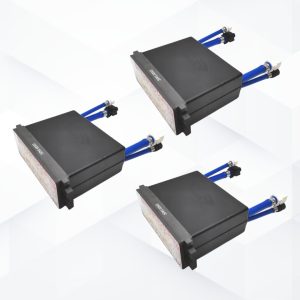
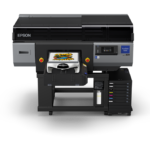
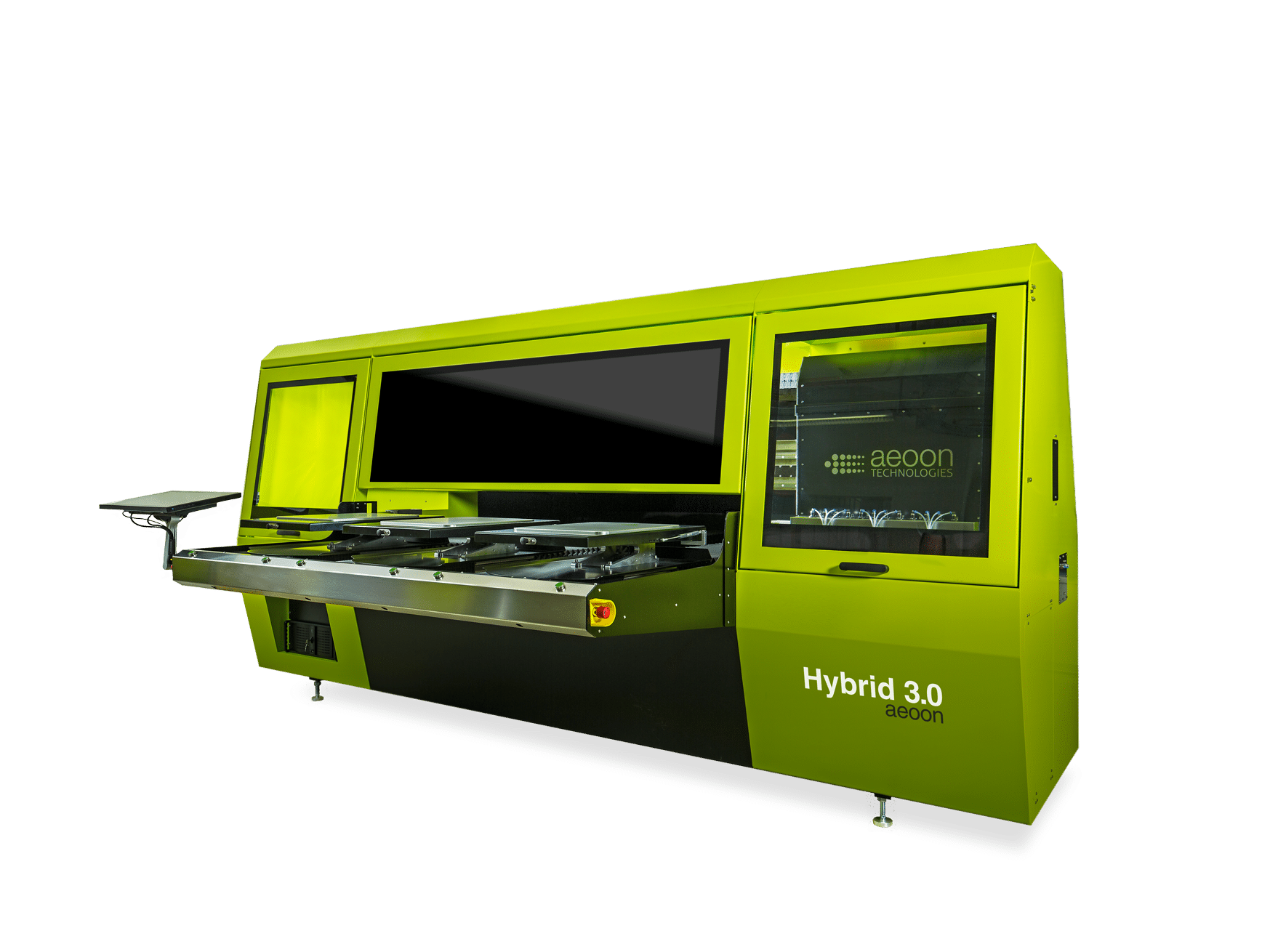
A hybrid DTG system on a screen printing press is a setup where the strengths of both technologies are combined on the same automatic carousel. The screen press prints the white underbase layer and any special effect inks, while a DTG printhead mounted on one of the stations prints the full-color CMYK design on top of that underbase. Everything happens in one line, without moving garments to a separate DTG unit.
In a traditional workflow, you might screen print a white underbase on one press, then carry the shirts over to a standalone DTG printer, re-align them, and finally run the color pass. With hybrid DTG, the process is streamlined. The garment travels around the carousel, stopping first at the screen station for the white, then at a flash station, then at the hybrid DTG station for the CMYK image before going to final curing.
This is why people talk about “hybrid screen + DTG”: the digital and analog parts are physically integrated into one production line.
The Hybrid Printing Workflow
The typical sequence unfolds in precise order:
- Screen station lays white underbase: White plastisol or water-based ink is printed to block the shirt color and create a bright, even foundation for the digital image. You can also use this step to add special effects such as discharge, puff, or high-density textures, which make the finished print feel more premium.
- Flash cure: The flash cures the white just enough so the surface is dry and stable, but not overcured. The goal is a smooth, slightly gelled surface that will accept DTG inks cleanly without smearing or sticking to the printhead.
- DTG station jets CMYK: Here, the integrated DTG module prints the full-color CMYK artwork. Because the white underbase is already in place and consistent, the DTG head usually does not need to jet heavy layers of white ink. In many cases it can print only color, or just a little white for highlights. That saves a lot of DTG white ink, reduces stress on the head, and speeds up the print cycle. The shirt then continues through the carousel to the final curing step and is finished.
This approach combines the strengths of screen opacity with DTG versatility, unlocking workflows impossible with either technology alone.
Why This Combination Works
Efficiency: Screen printing deposits thick, opaque white faster than any digital head. DTG handles fine details and unlimited colors without the setup cost of burning screens.
Unlimited colors: Photographic gradients, skin tones, and complex artwork print in one pass. No need for four, six, or eight-color screen separations.
Special effects: You can still run discharge, puff, or high-density white through the screen station, then overlay digital color for effects no single method achieves.
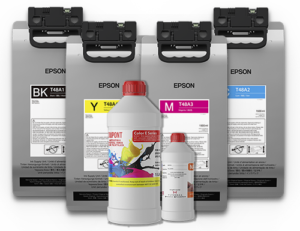
Lower ink cost for whites: Screen white ink often costs significantly less per square inch than jetting white digitally. By reserving the DTG head for color, consumable expenses drop while quality climbs. Explore the future of printing.
Hybrid methods also expand creative possibilities, letting designers mix hand-painted textures, metallic foils, or glow-in-the-dark bases with photorealistic digital layers.
Why Printers Are Moving to Hybrid Screen + DTG
The main reason shops choose a hybrid DTG system is that it combines the speed and low cost of screen printing with the flexibility and detail of digital printing. Screen printing is still the fastest and most economical way to lay down solid, opaque white ink over a large area. DTG, on the other hand, is unbeatable when it comes to complex designs with many colors, gradients, photos, and smooth skin tones. When you put the two together on a single carousel, you get the best of both worlds.
With hybrid DTG on a screen printing press, you are no longer limited by the number of screens in your machine. You can print full-color photos and artworks without creating complicated separations for every new design. For shops that handle a mix of short-run and mid- to high-volume orders, this is a big advantage. Short runs with many different designs become profitable because you don’t have to invest time and money into new screen sets for each one, while larger runs still benefit from the speed of an automatic carousel.
The combination also makes it easier to sell higher-value work. Your sales team can confidently offer full-color, photo-quality prints on dark garments, without long explanations about how many screens are needed or why certain designs are “too complicated” for standard screen printing. Hybrid DTG allows you to position your shop as both a high-volume producer and a provider of premium, detailed prints, instead of having to choose one or the other.

Hybrid DTG vs Traditional DTG vs Traditional Screen Printing
| Criteria | Traditional Screen Printing | Standalone DTG | Hybrid DTG on Screen Printing Press |
|---|---|---|---|
| Color / photo printing | Limited, needs separations | Excellent | Excellent |
| White ink cost | Low (screen white) | High (DTG white ink) | Low (screen white) |
| Speed on large runs | Very fast | Slower | Fast (close to screen printing) |
| Flexibility for many small jobs | Low (one screen set per design) | High | High |
| Upfront investment | Medium to high | Medium | Higher, but reuses existing carousel |
| Operational complexity | Medium | Medium | Slightly higher, requires training |
If you already own an automatic screen press, hybrid is the most efficient way to enter digital garment printing without replacing your entire line.
Preparing to Retrofit a Hybrid DTG Module onto Your Carousel
When you look at adding a hybrid DTG module to your existing automatic screen printing press, you are essentially retrofitting a digital station onto the carousel. This is why you often see the phrase “hybrid DTG retrofit” used. The first step is to evaluate your current machine. Check how many stations it has, whether there is room to install a DTG unit in a suitable position, and whether the press runs smoothly at production speed. A stable press will hold registration better when you introduce a digital station.
You also need to think about power, air and the environment in your shop. The DTG module will require adequate electrical supply, a computer to control it, and in some cases local exhaust or filtration. Some components may need compressed air. Temperature and humidity should be kept within recommended ranges so the inks and printheads perform reliably. Dust and lint should be minimized around the DTG station, as digital heads are more sensitive than screens.
The integration between the carousel and the DTG module is handled through control signals, so the two systems know when to stop, print and index again. In simple terms, the press must tell the DTG station that a shirt is in position and ready to be printed, and the DTG station must confirm when it has finished printing and the carousel can move.
Registration between the screen underbase and DTG color layer is the other key aspect of hybrid printing. During setup, you will use a special test file designed for hybrid alignment. You screen print the white base, flash it, and then print the DTG design on top. By examining the result, you can see whether the digital image is slightly shifted left, right, forward, back, or rotated. Adjustments are then made either mechanically on the DTG station or in the software’s offset settings until the color layer sits perfectly on the white base across the entire print area.
Quick Retrofit Checklist for Shop Owners
Before investing in hybrid DTG, go through this list:
Do you already own a stable automatic screen printing press?
Do you receive many jobs with complex, multi-color, or photo designs?
Are you spending a lot of time and cost on separations and screen setup for short- to medium-run jobs?
Is your production team ready to learn digital printing workflows (files, color management, DTG basics)?
Do you have enough space for a DTG module, ink system, and control PC around the press?
Do you want to move into higher-value, premium full-color printing while keeping high-volume capability?
If you answer “yes” to most of these, hybrid DTG is likely a very strong upgrade path for your shop.
FAQ
Q: What kind of print shop is hybrid DTG best for?
A: Hybrid DTG is ideal for shops that already have an automatic screen printing press and want to add digital capabilities. It works especially well for shops that print many complex, multi-color or photo-based designs on dark garments and need to handle both smaller runs and higher volumes efficiently. If you frequently turn down complex jobs or struggle with the cost of separations and screens, hybrid DTG can open up new opportunities.
Q: Do I need special inks or pretreats for hybrid?
A: Typically, hybrid systems use standard screen whites and DTG CMYK inks. However, you must ensure the white ink is flash cured properly so it doesn’t interfere with the DTG pass.
Q: How do real-world speeds compare to factory specs?
A: Actual output depends on design complexity, flash times, and operator skill. Many shops hit 250 – 300 prints per hour once the process is dialed in.
Q: Why do some prefer a bolt-on retrofit versus buying a turnkey hybrid press?
A: A retrofit can save costs and use existing equipment. Turnkey systems might cost more upfront but are typically factory-tested and fine-tuned for faster startup.Here, the integrated DTG module prints the full-color CMYK artwork. Because the white underbase is already in place and consistent, the DTG head usually does not need to jet heavy layers of white ink. In many cases it can print only color, or just a little white for highlights. That saves a lot of DTG white ink, reduces stress on the head, and speeds up the print cycle. The shirt then continues through the carousel to the final curing step and is finished.